




JUNMIN PAN
Professor
Tsinghua University, School of Life Sciences
Education and Work Experience
1986 Hebei Normal University, China/B.S.
1989 Institute of Hydrobiology, Academia Sinica, China/M.S.
1996 University of Freiburg, Germany/P h .D.
1997-1999 UT Southwestern Medical Center, USA/Postdoctoral Fellow
2000-2006 UT Southwestern Medical Center, USA/Research Assistant Professor
2006-present School of Life Sciences, Tsinghua University, China/Professor
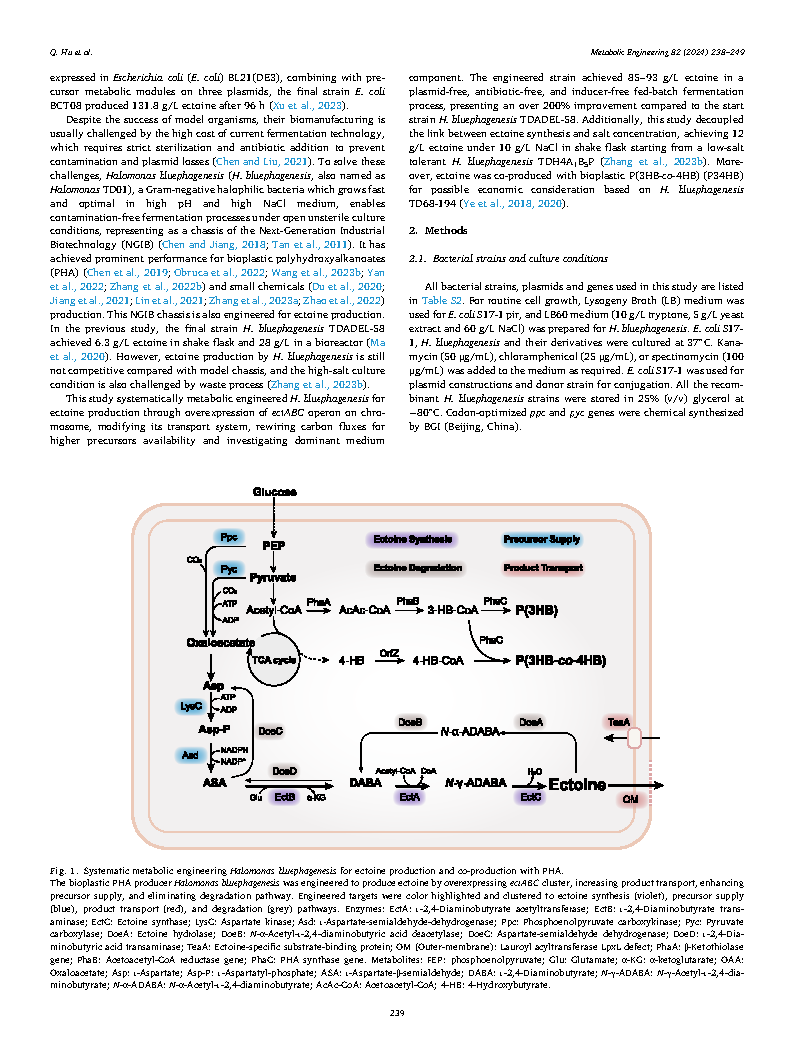
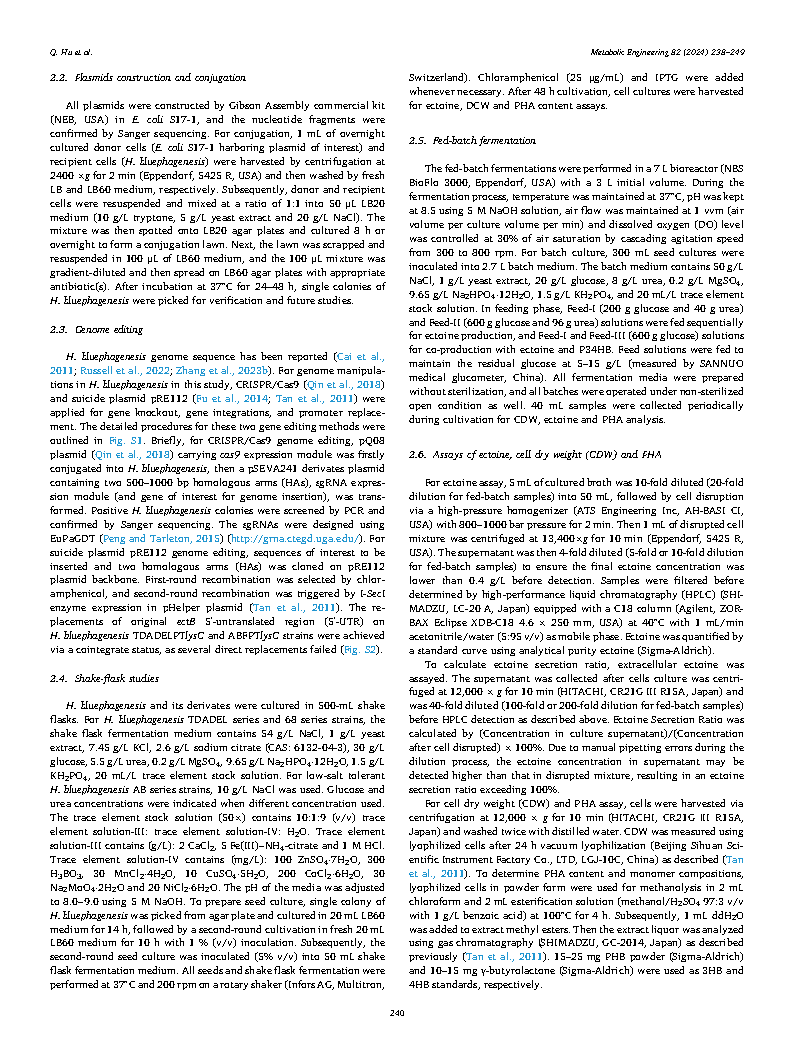
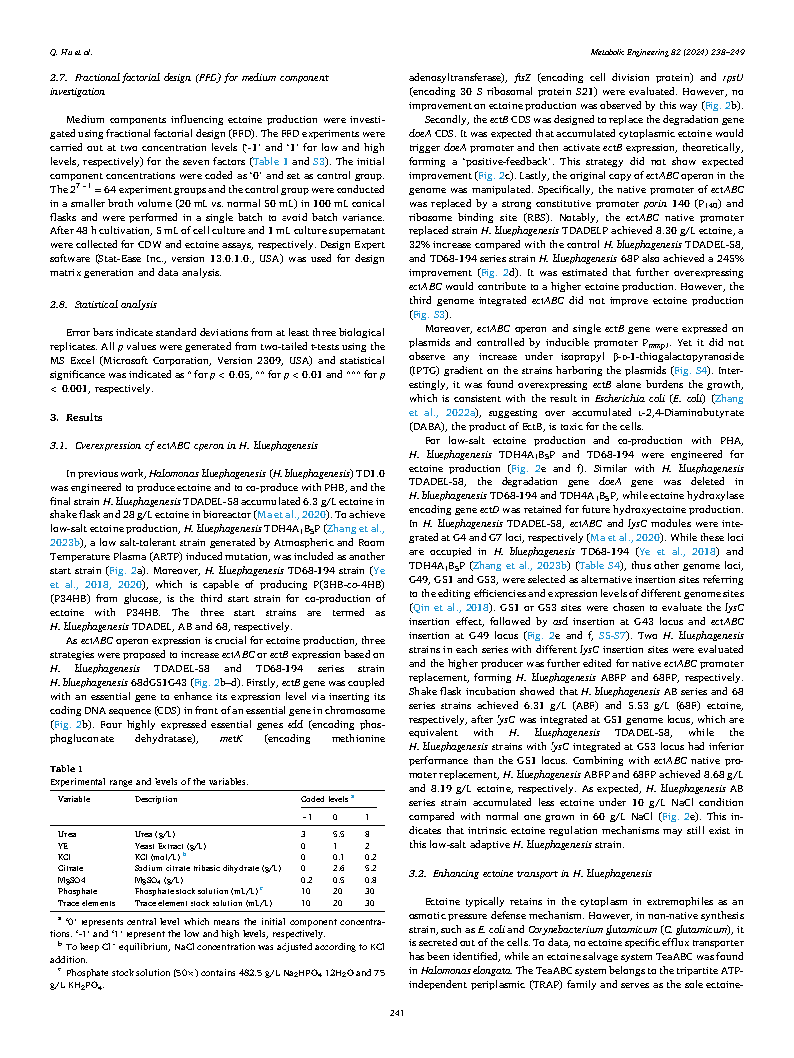
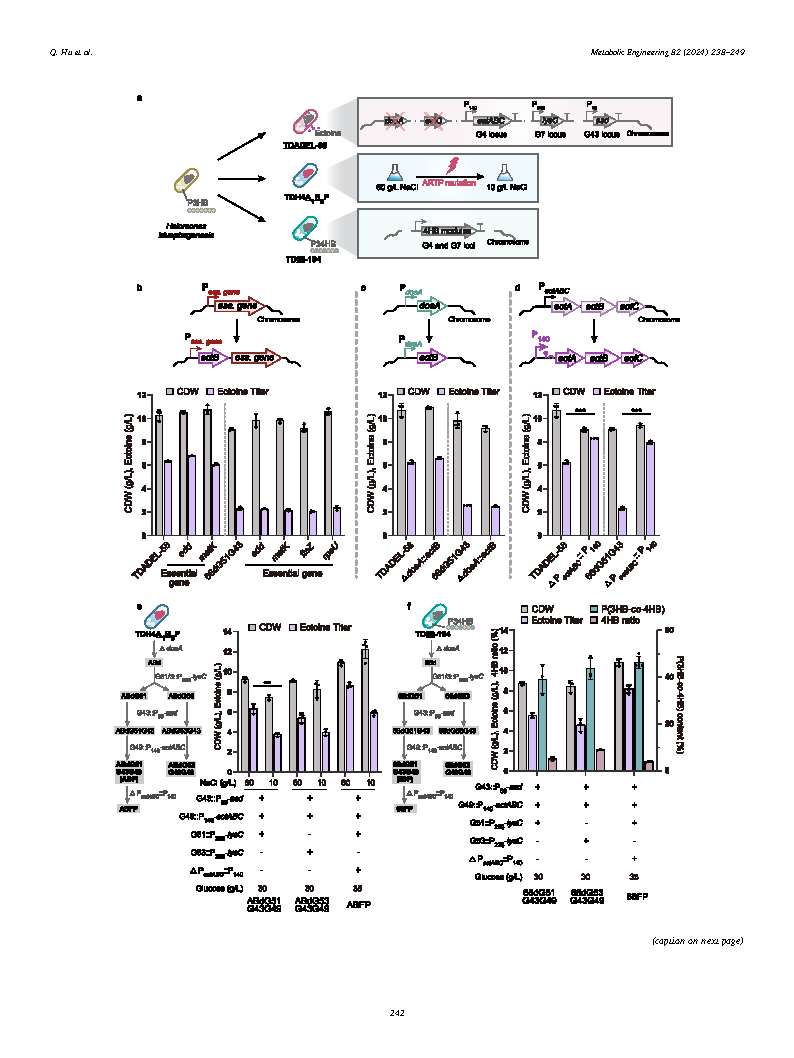
Currently there are two research interests in the laboratory: ciliary biology and application of microalgae. Cilia function in cell motility and signaling, whose defects are linked with numerous human diseases, termed ciliopathies. We aim to reveal the molecular mechanisms underlying ciliary assembly and disassembly by using the model organism Chlamydomonas and mammalian cells. We study signaling, microtubule dynamics, protein transport and gene transcription by using genetic, biochemical, cell biological and molecular approaches. In addition, we develop tools to genetically engineer microalgae for commercial applications.
1.Zhu X, Wang J, Li S, Lechtreck K, Pan J*. 2021. IFT54 directly interacts with kinesin-II and IFT dynein to regulate anterograde intraflagellar transport. EMBO J 40: e105781.
2.Li S, Wan KY, Chen W, Tao H, Liang X*, Pan J*. 2020. Functional exploration of heterotrimeric kinesin-II in IFT and ciliary length control in Chlamydomonas. eLife 9:e58868.
3.Zhao Q, Li S, Shao S, Wang Z, Pan J*. 2020. FLS2 Is a CDK-like Kinase That Directly Binds IFT70 and Is Required for Proper Ciliary Disassembly in Chlamydomonas. Plos Genet. 16(3):e1008561
4.Liang Y, Zhu X, Wu Q, Pan J*. 2018. Ciliary Length Sensing Regulates IFT Entry via Changes in FLA8/KIF3B Phosphorylation to Control Ciliary Assembly. Curr Biol. 28(15), 2429-2435.
5.Zhu B, Zhu X, Wang L, Liang Y, Feng Q, Pan J*. 2017. Functional exploration of the IFT-A complex in intraflagellar transport and ciliogenesis. PLoS Genet. 13(2):e1006627.
6.Hu J, Liang Y, He W, Pan J *. 2015. Cilia disassembly with two distinct phases of regulation. Cell Reports 10, 1803-1810.
7.Liang Y, Pang Y, Wu Q, Hu Z, Han X, Xu Y, Deng H, Pan J*. 2014. FLA8/KIF3B phosphorylation regulates kinesin-II interaction with IFT-B to control IFT entry and turnaround. Dev Cell. 30, 585-597.
8.Cao M, Meng D, Wang L, Bei S, Snell WJ*, Pan J*. 2013. Activation loop phosphorylation of a protein kinase is a molecular marker of organelle size that dynamically reports flagellar length. PNAS, 110, 12337-42.
School of Life Sciences
Tsinghua University
Haidian district, Beijing 100084
P. R. China
Tel. /Fax: 0086-10-62771864
Email: This email address is being protected from spambots. You need JavaScript enabled to view it.

TIANCONG QI
Tsinghua University, School of Life Sciences
Principal Investigator
Education and work experience
2003 – 2007 B.S.A., China Agricultural University
2007 – 2012 Ph.D., Tsinghua University
2012 – 2016 Postdoctoral Scholar, Tsinghua University
2016 – 2019 Tang Distinguished Scholar, Postdoctoral Scholar, University of California, Berkeley
2019 – 2022 Assistant Professor, School of Life Sciences, Tsinghua University
2023 – now Associate Professor, School of Life Sciences, Tsinghua University
Research interest
Plant diseases and pests significantly impact crop yield and quality, and have caused serious agricultural economic losses. Our laboratory focuses on investigating the molecular mechanisms underlying plant-pathogen interactions. We employ an integrated approach combining cell biology, bioinformatics, and structural biology to decipher plant immune signaling pathways and pathogenic mechanisms of pathogens. Building on these insights, we further apply synthetic biology technologies to rationally design and engineer disease-resistant plants, providing theoretical and technical support for addressing major crop diseases, and advancing crop breeding and agricultural production.
Selected publications
#:Co-first author; *: Corresponding authors
Contact information
E-mail:This email address is being protected from spambots. You need JavaScript enabled to view it.

LEI LU
Assistant Professor
School of Pharmaceutical Sciences, Tsinghua University
EDUCATION
University of Wisconsin-Madison 2014-2020 Ph.D., Pharmaceutical Sciences
Georgia Institute of Technology 2019-2021 MS (online), Computer Science
Wuhan University, China 2012-2014 MS, Pharmaceutical Engineering
Wuhan University, China 2008-2012 BS, Pharmacy
HONORS AND AWARDS
Graduate Student Research Travel Award, Graduate School, UW-Madison 2019
Graduate Student Research Travel Award, Graduate School, UW-Madison 2018
Mern Keir University of Wisconsin Distinguished Graduate Fellowship, UW-Madison 2014
Outstanding Undergraduate Student Scholarships, WHU 2011
The State Ambition-Encouraging Scholarships, WHU 2010
PUBLICATIONS
1. Lu L, Gou X, Tan S, Man S, Yang H, Zhong X, Gazgalis D, Valdiviezo J, Jo H, Wu Y, Diolaiti M, Ashworth A, Polizzi N, & DeGrado W. (2024) De novo design of drug-binding proteins with predictable binding energy and specificity. Science, 384,106-112.
2. Lu L, Scalf M, Shortreed M, Smith L. (2021) Mesh fragmentation improves dissociation efficiency in top-down proteomics. Journal of the American Society for Mass Spectrometry, 23;32(6):1319-25.
3. Lu L*, Riley N*, Shortreed M, Bertozzi C & Smith L (2020). O-Pair Search with MetaMorpheus for O-glycopeptide Characterization. Nature Methods, 17, 1133-1138.
4. Zhong X, Yu Q, Ma F, Frost D, Lu L, Chen Z, Zetterberg H, Carlsson C, Okonkwo O & Li L. (2019). HOTMAQ: A Multiplexed Absolute Quantification Method for Targeted Proteomics. Analytical Chemistry, 91(3), 2112-2119.
5. Lu L, Millikin R, Solntsev S, Rolfs Z, Scalf M, Shortreed M, & Smith L. (2018). Identification of MS-cleavable and noncleavable chemically cross-linked peptides with MetaMorpheus. Journal of Proteome Research, 17(7), 2370-2376.
6. Li B, Li H, Lu L, & Jiang J. (2017). Structures of human O-GlcNAcase and its complexes reveal a new substrate recognition mode. Nature Structural & Molecular Biology, 24(4), 362.
7. Hu C, Worth M, Fan D, Li B, Li H, Lu L, Zhong X, Lin Z, Wei L, Ge Y and Li L, Jiang J.(2017). Electrophilic probes for deciphering substrate recognition by O-GlcNAc transferase. Nature Chemical Biology, 13(12), 1267.
8. Lu L, Fan D, Hu, C, Worth M, Ma Z, & Jiang J. (2016). Distributive O-GlcNAcylation on the highly repetitive C-terminal domain of RNA polymerase II. Biochemistry, 55(7), 1149-1158.
9. Zhu F, Lu L, Fu S, Zhong X, Hu M, Deng Z, & Liu T. (2015). Targeted engineering and scale up of lycopene overproduction in Escherichia coli. Process Biochemistry, 50(3), 341-346.
10. Liu Q, Wu K, Cheng Y, Lu L, Xiao E, Zhang Y, Deng Z and Liu T. (2015). Engineering an iterative polyketide pathway in Escherichia coli results in single-form alkene and alkane overproduction. Metabolic Engineering, 28, 82-90.
11. Liu, R, Zhu F, Lu L, Fu A, Lu J, Deng Z, & Liu T. (2014). Metabolic engineering of fatty acylACP reductase-dependent pathway to improve fatty alcohol production in Escherichia coli. Metabolic Engineering, 22, 10-21.
12. Zhu F, Zhong X, Hu M, Lu L, Deng Z, & Liu T. (2014). In vitro reconstitution of mevalonate pathway and targeted engineering of farnesene overproduction in Escherichia coli. Biotechnology and Bioengineering, 111(7), 1396-1405.
E-mail:This email address is being protected from spambots. You need JavaScript enabled to view it.


